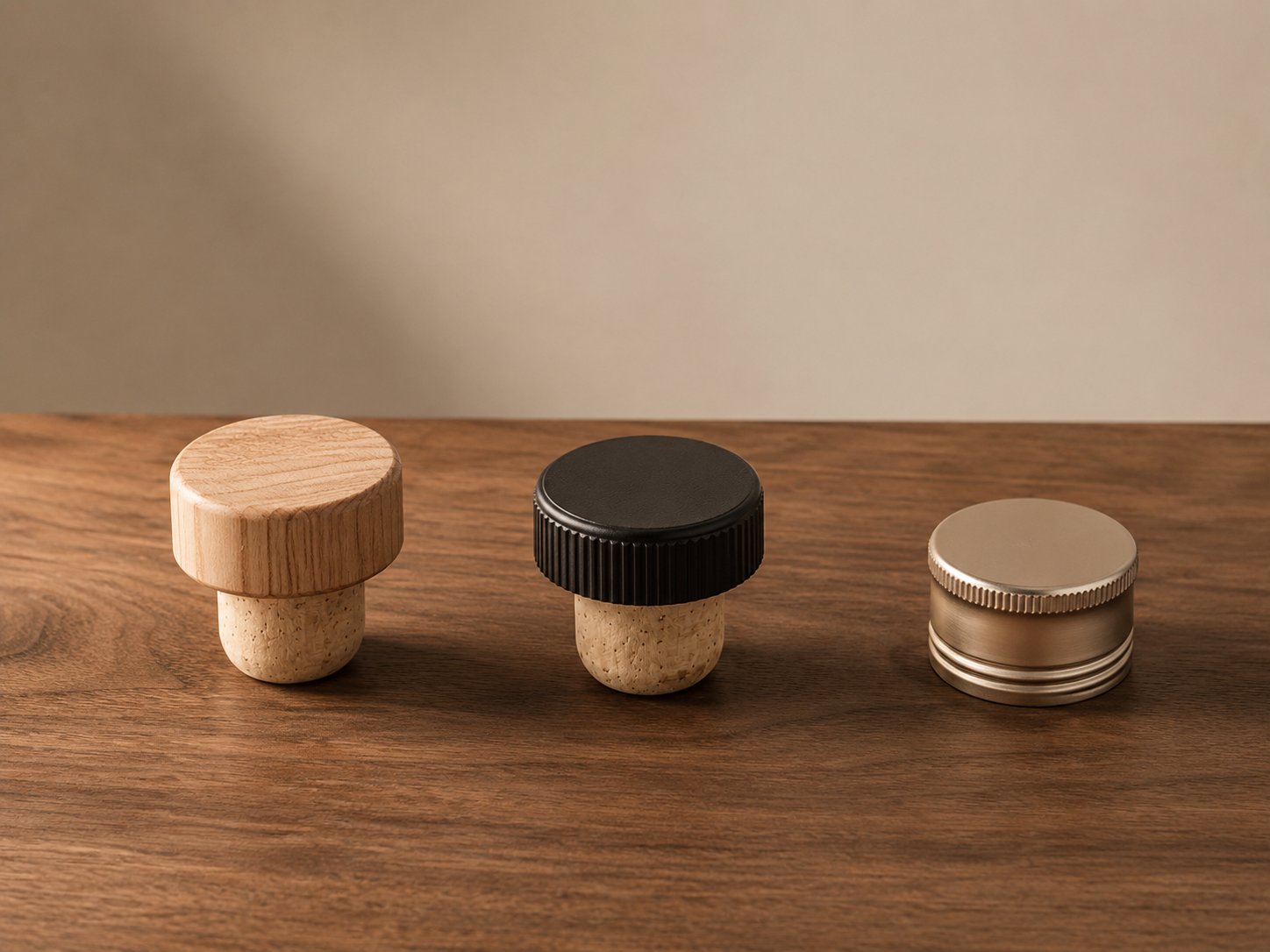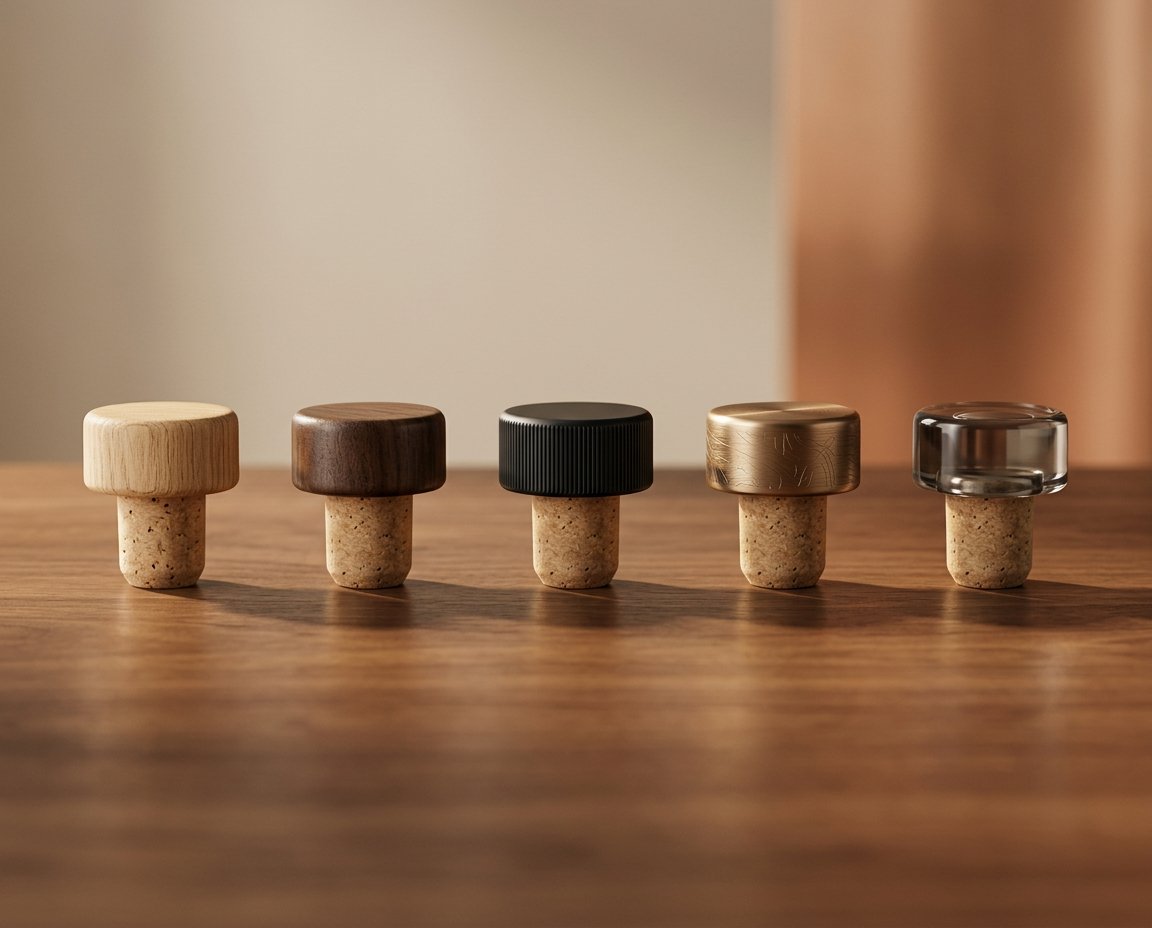
Bottle closures play a critical role in the environmental footprint of spirits packaging. While often overlooked, closures combine multiple materials—wood, cork, glass, aluminum, polymers—and directly affect recyclability and carbon footprint.
Bostocap’s sustainability strategy focuses on reducing environmental impact across the full lifecycle of closures, while maintaining:
Sealing performance
Alcohol compatibility
Food safety compliance
Premium aesthetics
Our approach is built around three complementary pillars:
Reducing reliance on fossil-based plastics and eliminating microplastic pollution wherever technically possible.
Maximising the use of recycled content and designing closures that work within existing recycling systems.
Lowering emissions beyond materials through energy, water, and operational improvements.
This framework allows distillers to evaluate closures based on renewability, biosourced content, biodegradability, compostability, recyclability, and carbon footprint.
To avoid misleading claims, Bostocap uses precise sustainability terminology:
Renewable: derived from a resource that regenerates naturally
Biosourced: carbon originates from biomass rather than fossil fuels
Biodegradable: broken down by microorganisms into natural elements
Compostable: biodegrades under defined composting conditions
Recyclable: can be collected and reprocessed in existing systems
Key clarifications:
Biosourced ? biodegradable
Biodegradable ? compostable in nature
Sourced from responsibly managed forests, reclaimed materials, or chemically untreated bamboo.
Sustainability profile:
Renewable and biosourced
Biodegradable
Home compostable (when untreated)
Plastic-free
Not recyclable
Ideal for craft, premium, and storytelling-driven spirits brands.
Glass closures are chemically inert and infinitely recyclable, making them a strong circular solution for premium spirits.
Sustainability profile:
Plastic-free
Not biodegradable
Infinitely recyclable
Produced from mineral-based materials, ceramic closures prioritise durability and long service life over end-of-life recovery.
Sustainability profile:
Plastic-free
Not biodegradable
Limited recyclability
Natural cork remains one of the lowest-impact closure materials available. Harvested without cutting trees, cork oak forests act as long-term carbon sinks.
Sustainability profile:
Renewable and biosourced
Biodegradable in natural environments
Home compostable
Plastic-free
Carbon-negative lifecycle
Recyclable through dedicated cork streams
Aluminum closures offer one of the strongest circular economy profiles in spirits packaging due to high real-world recycling rates.
Sustainability profile:
Not renewable
Not biodegradable
Infinitely recyclable
Made from recovered cork granulate, extending the lifecycle of a renewable material.
Sustainability profile:
Biosourced
Circular reuse of production waste
Biodegradable (with natural binders)
Used only where required for sealing performance, micro-recycled polymers reduce virgin plastic while remaining monomaterial and recyclable.
Sustainability profile:
Fully recyclable
Reduced virgin plastic content
Strong circular performance
rPET capsules significantly reduce energy use and greenhouse gas emissions compared to virgin PET while remaining recyclable.
PET: fossil-based, recyclable
rPET: recycled content, recyclable, lower carbon footprint
Bio-PE replaces fossil feedstocks with renewable sugarcane ethanol.
Sustainability profile:
Biosourced
Not biodegradable
Recyclable in standard PE streams
PLA is biosourced but only industrially compostable and not recyclable.
PHA bioplastics offer true biodegradability without microplastic residue.
Sustainability profile:
100% biosourced
Home compostable
Biodegradable in soil and marine environments
Sustainable bottle closures are not only about materials. Bostocap actively reduces operational emissions through:
Solar energy integration
Closed-loop water systems
Carbon offsetting and reforestation initiatives
To simplify decision-making, Bostocap applies an internal ABC sustainability rating:
A – Best-in-Class Sustainability
Natural cork, FSC wood, bamboo, reclaimed hardwood, PHA
B – Circular & Efficient
Recycled cork, rPET, glass, ceramic, aluminum, tin, micro-recycled polymers
C – Transitional Solutions
Bio-PE, PLA, polylaminates, virgin synthetic shanks
Whenever possible, A-rated materials are prioritised, with B-rated solutions supporting circularity today and C-rated solutions enabling transition.
Bostocap supports spirits producers—from craft distilleries to global brands—in selecting sustainable, compliant, and high-performance bottle closures.
By combining plastic-free innovation, recycled materials, and CO2 reduction, we help distillers reduce environmental impact while protecting product quality and brand value.